If you have been eyeing vaginal probiotic gummies because swallowing another capsule feels like a chore, you are not alone. The format you pick shapes what actually reaches your gut. Heat, moisture and sugar-heavy recipes can thin out live cultures before you take a bite. Here is what gummies get right, where they fall short, and what the evidence covers.
TL;DR
Vaginal probiotic gummies are convenient, but the gummy format can work against the live cultures inside. A clearly labeled, sugar-free capsule is usually the more reliable choice for supporting vaginal flora.
Gummy production often involves added sugar, heat and moisture, which can stress cultures that do not form spores.
Outcomes depend on the exact strain, so a strong label names each species, states its potency unit, and discloses sugar and capsule material.
Most published research on oral strains for vaginal flora used capsules, and those specific named strains rarely appear on gummy labels.
Strong odor, unusual discharge, burning or pelvic pain call for a clinician and a diagnosis first. A supplement supports flora and does not replace testing.
What Are Vaginal Probiotic Gummies, and Why Are Women Searching for Them?
Vaginal probiotic gummies are chewable supplements that pair lactic acid bacteria with a sugar or pectin base. L. acidophilus is a long-studied probiotic species: a 2001 review describes the NCFM strain as sold in US foods and supplements since the mid-1970s and studied in the lab, in animals and in people 6. That long history mostly involves foods, powders and capsules rather than chews. Gummies are a much newer way to deliver the same kinds of organisms. Women search for these products mainly for convenience. A sweet chew can feel easier than swallowing capsules, and social media has made the category highly visible.
Some shoppers are tired of recurring discomfort and want a daily habit that feels simple. What the search rarely surfaces is how the gummy format itself affects live cultures, sugar intake and label transparency. To compare how gummies stack up against capsules, see our best vaginal probiotics roundup.
Why Do Sugar and Stability Cause Problems for Gummies?
Live lactobacilli are active organisms that ferment sugars into acid, and that creates a basic chemistry problem for chews. In lab cultures, a vaginal L. acidophilus strain produced lactic acid and inhibited uropathogenic E. coli 4. That lab result shows these bacteria are metabolically busy, not inert powders. Inside a moist, sweet gummy, that activity can begin long before the chew reaches you. Gummy manufacturing usually involves heat and moisture, and both stress cultures that do not form spores. Most chews also add sugar or syrup to every daily serving, which some women would rather avoid.
Gelling agents take up room that could otherwise hold organisms or supporting ingredients. Spore-forming species such as Bacillus coagulans tolerate harsh conditions better, so they show up often in shelf-stable formats. Dry capsules sidestep much of this tradeoff because they need no sweetener and fewer moisture-heavy steps.
Which Strains in Probiotics for Female Vaginal Health Have Research Behind Them?
Research-backed strains are named probiotic strains tested in human trials, not just species names. In 64 healthy women, oral L. rhamnosus GR-1 with L. reuteri RC-14 (then called L. fermentum) for 60 days shifted asymptomatic BV-type flora to normal in 37% vs 13% on placebo 1. That trial tested specific named strains in capsules, not every product carrying those species. Other evidence is earlier-stage. In lab studies, L. reuteri makes reuterin, a natural antimicrobial compound first isolated in 1988 7. A single-arm study of 70 women used vaginal Bacillus coagulans douches and suppositories and reported lower pH and fewer symptoms, without a control group 3.
Because that product was used vaginally, it says little about an oral chew. The gap between species and strain is why a gummy that simply borrows a species name may not match the research at all. To understand why route matters, read our guide to oral vs vaginal probiotics.
How Do Vaginal Probiotic Gummies Compare With Capsules?
Gummies and capsules are two oral formats that often list similar species, but they protect cultures differently. Lab work on a vaginal L. acidophilus strain linked its activity to lactic acid production under suitable growth conditions 4. Conditions inside the product matter for organisms this active. The comparison below focuses on format traits rather than brands.
| Feature | Gummies | Capsules |
|---|---|---|
| Base | Sugar or syrup plus gelling agents | Dry powder, no sweetener needed |
| Manufacturing stress | Heat and moisture | Fewer moisture-related steps |
| Room per serving | Limited by sugar and gelling agents | More space for organisms and supporting ingredients |
| What to check | Named species, stated potency | Named species, stated potency |
Neither format guarantees quality on its own. A capsule with vague labeling can fall short of a carefully made chew, so the label still decides. Whichever format you pick, our guide on how long probiotics take to work explains what consistent use looks like.
What Should a Women's Probiotic Label Show?
Whether you choose vaginal probiotic gummies or capsules, the label tells you more than the format does. A 2025 scoping review covering 69 human studies reported that L. plantarum effects are strain-specific, with different strains studied for gut 8, immune, vaginal and oral health 8. A species name alone therefore tells you less than a named strain would. That principle applies across every species on a label. Start with the genus and species, and check whether a strain designation is printed beside each one. Next, find the potency and note its unit, because "per gram" and "per serving" are not interchangeable figures.
Scan the sugar, gelling agent and filler lines, which tend to run longer on chewable products. Then confirm where the product was made and whether the facility follows Good Manufacturing Practice. Our best probiotics for women guide explains how to apply these label checks to any formula.
When Should You See a Clinician About Vaginal Symptoms?
No supplement replaces an exam when your symptoms change, and even the better-studied options were tested in diagnosed women. A randomized trial in 200 women found a vaginal L. plantarum P17630 capsule relieved yeast infection symptoms about as well as vaginal miconazole over 21 days 2. Those participants had confirmed infections and used the product vaginally. That is a very different situation from chewing a daily gummy. Book an appointment if you notice a new odor, gray or green discharge, persistent itching, pelvic pain, fever, or burning when you urinate. Go promptly if you are pregnant, if symptoms return several times a year, or if over-the-counter products have not helped.
Recurrent cases sometimes call for a clinician-guided maintenance plan. A retrospective chart review found women used maintenance vaginal boric acid for an average of 13 months with few adverse events, but it had no control group and did not test whether it works 5. A swab or pH test separates yeast from bacterial causes, which changes the care you receive. A daily supplement belongs alongside that care, not in place of it.
Bottom Line: Are Vaginal Probiotic Gummies Worth It?
Vaginal probiotic gummies trade some stability and label room for convenience. The strongest human data on oral strains for vaginal flora came from named strains in capsules, such as the 60-day GR-1 and RC-14 work described above 1. A chew may still suit you if it lists named species, a clear potency unit and little sugar. If it does not, a capsule is usually the safer bet. Whatever you choose, judge it by the label and by consistent use over weeks, and pair it with a clinician's input when symptoms change.
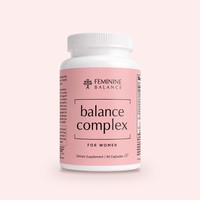
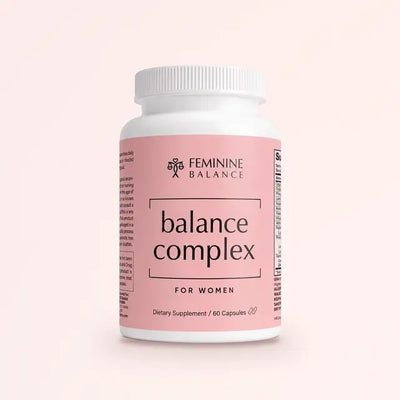
If you prefer capsules, Balance Complex, on the market since 2014, combines five species, four Lactobacillus plus Bacillus coagulans, in vegetable capsules made in the USA in GMP-certified facilities, designed to support healthy vaginal flora. Its label lists these as species in one blend, without strain designations or a per-strain amount.
FAQ
Q: Are vaginal probiotic gummies as effective as capsules?
A: Effectiveness depends more on the strains, their documented dose, and whether live cultures survive manufacturing and storage than on the format itself. Gummy production involves heat and moisture that can reduce viability, so look for brands that state counts at expiration. Capsules may hold more organisms, while gummies suit people who dislike pills.
Q: Can sugar in probiotic gummies make vaginal issues worse?
A: The sugar in one gummy is modest, and there is no established evidence that it directly triggers vaginal issues. Still, people prone to yeast infections or managing blood sugar may prefer low-sugar or sugar-free options. Check labels for added sugars and sugar alcohols, and talk with a clinician if symptoms keep returning.
Q: What is the best probiotic for women's vaginal health?
A: No single probiotic is best for everyone. Strong candidates use Lactobacillus species associated with vaginal health, list each species clearly, state potency with a clear unit, and come from facilities following Good Manufacturing Practice. Choose a format you will take consistently, and ask a pharmacist or clinician about interactions with your medications or conditions.
Q: How many CFUs should a women's vaginal probiotic have?
A: There is no universally agreed CFU target for vaginal health, and a higher number is not automatically better. What matters more is whether specific strains were studied at the amount provided, and whether the label explains its unit, such as per gram or per serving. Prioritize transparency over large headline numbers.
Q: Do probiotics for women actually help with vaginal flora balance?
A: Some Lactobacillus strains have been researched for supporting a lactobacilli-dominant vaginal environment, but results vary by strain, dose, and individual. Probiotics are best viewed as supportive, not as a substitute for medical care. They may complement healthy habits, but they cannot replace diagnosis or prescribed treatment when new symptoms appear.
Q: What should I look for on a women's probiotic label?
A: Look for the genus and species of every organism, and ideally a strain designation beside each one. Check the potency unit, sugar and filler content, capsule or gummy base, and manufacturing location. Vague proprietary blends with no species listed make it hard to know what you are actually taking each day.
Q: How long does it take for a probiotic to support vaginal health?
A: Changes to the vaginal microbiome happen gradually rather than overnight, and timing differs from person to person. Consistent daily use over several weeks matters more than any single dose. If you notice no difference after a reasonable trial, or your symptoms worsen, stop self-managing and talk with a healthcare provider.
Q: When should I see a doctor instead of taking a probiotic for vaginal symptoms?
A: See a doctor if you have unusual discharge, a strong odor, itching, burning, pain, sores, fever, or bleeding outside your period. Also seek care if you are pregnant, symptoms keep returning, or you are concerned about a sexually transmitted infection. Probiotics cannot diagnose conditions that may need prescription medication.
References
- Reid et al., 2003. PMID: 12628548
- Bertarello et al., 2024. PMID: 38235890
- Tsimaris et al., 2019. PMID: 31965832
- Juárez Tomás et al., 2003. PMID: 14614071
- Powell et al., 2019. PMID: 31663976
- Sanders et al., 2001. PMID: 11233016
- Talarico et al., 1988. PMID: 3245697
- Chatsirisakul et al., 2025. PMID: 40218922